
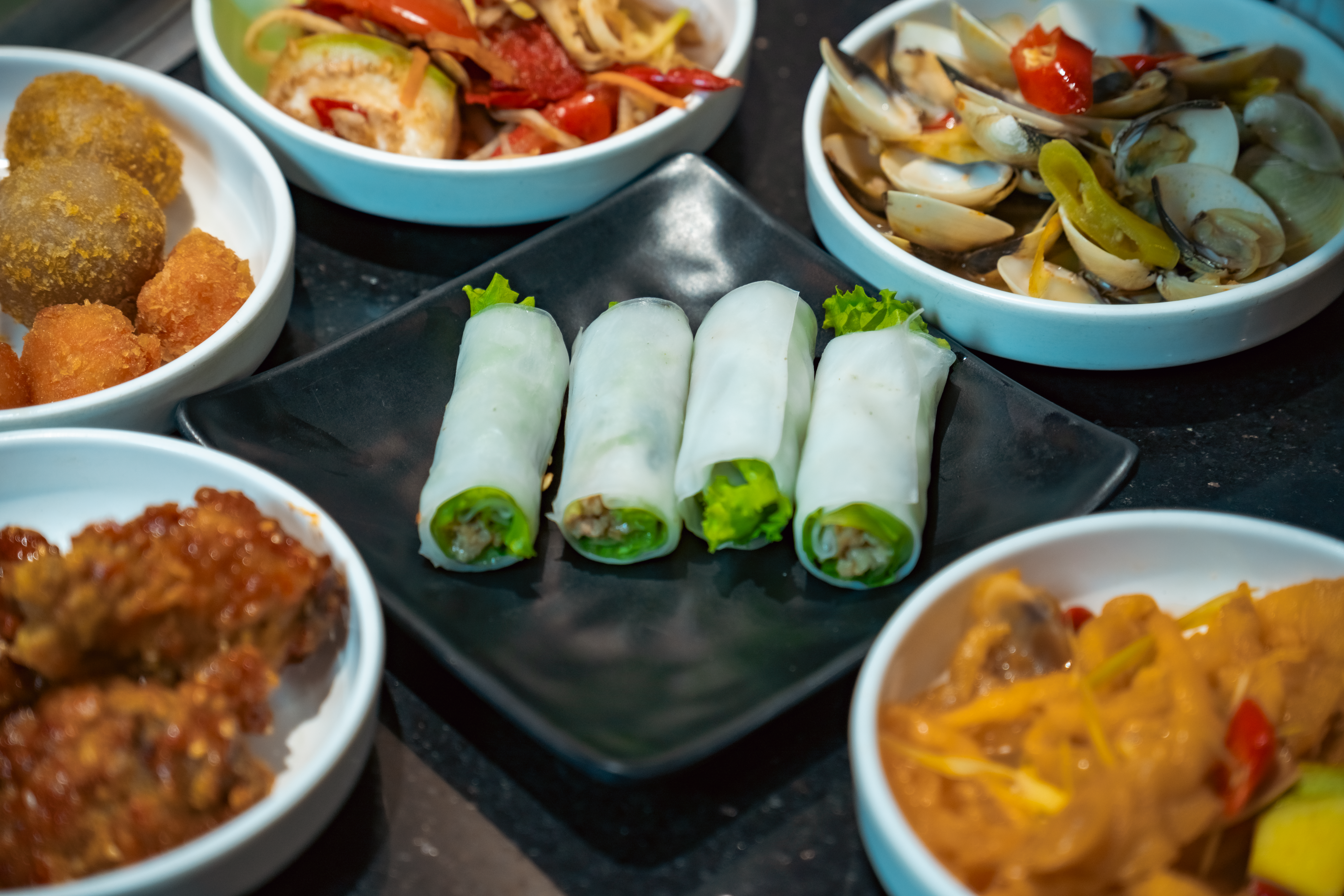
Discover the delicious world of sustainable food travel in 2026. Learn how eco-gastronomy, ethical dining, and farm-to-table experiences are revolutionizing tourism, and compare the best eco-friendly culinary tours, sustainable resorts, and ethical food platforms to book your next responsible adventure.
Introduction to the Topic
Welcome to 2026, where the discerning traveler seeks more than just a destination; they crave an experience that nourishes both body and soul, without compromising the planet. The buzzword? Sustainable Food Travel. It's no longer a niche concept but a mainstream movement, redefining how we explore cultures through their cuisine. As global awareness of environmental impact intensifies, travelers are actively seeking out eco-friendly culinary adventures, ethical dining experiences, and farm-to-table journeys that support local communities and preserve natural resources. This isn't just about eating well; it's about eating responsibly, knowing the provenance of your plate, and contributing positively to the places you visit. From carbon-neutral cooking classes in Tuscany to zero-waste fine dining in Tokyo, sustainable food travel is the ultimate hack for the conscious explorer looking to maximize their impact – both gastronomically and environmentally.
Backgrounds & Facts
The culinary landscape has undergone a dramatic transformation. Traditional tourism often leaves a significant carbon footprint, from air travel to food waste. However, the travel industry, propelled by consumer demand and technological advancements, is rapidly adapting. In 2025, a landmark report by the Global Sustainable Tourism Council (GSTC) revealed that over 60% of travelers prioritize sustainable options when booking trips, a 25% increase from just five years prior. This surge is particularly pronounced in the food sector, where transparency and ethical sourcing are paramount. Blockchain technology, for instance, is increasingly used by restaurants and suppliers to provide immutable proof of origin for ingredients, allowing diners to trace their meal from farm to fork with a simple QR code scan. Moreover, AI-powered platforms are now optimizing logistics for food tours, minimizing travel emissions, and connecting travelers directly with small-scale, regenerative farms.
The shift is also driven by a deeper understanding of local economies. Sustainable food travel emphasizes supporting local farmers, fishermen, and artisans, ensuring that tourism dollars directly benefit the communities visited. This includes participating in community-based culinary initiatives, purchasing from local markets, and dining at establishments committed to fair labor practices. The rise of plant-based and flexitarian diets has further fueled this trend, with many sustainable destinations now offering innovative vegan and vegetarian options sourced directly from local, organic produce. The goal is clear: enjoy extraordinary food experiences that are good for you, good for the planet, and good for the people who produce it.
Expert Opinion / Analysis
“The evolution of sustainable food travel isn't just a trend; it's a fundamental shift in traveler values,” states Dr. Anya Sharma, lead researcher at the Institute for Eco-Gastronomy Studies. “By 2026, we're seeing a full integration of sustainability metrics into mainstream travel booking platforms. Consumers are no longer just asking 'Is it delicious?' but 'Is it ethical? Is it local? What's its carbon footprint?' This demand is pushing tour operators, hotels, and restaurants to innovate at an unprecedented pace.”
Dr. Sharma highlights the importance of certifications and transparency. “Look for certifications like Green Seal, Rainforest Alliance, or specific local eco-labels when choosing restaurants and tours. These aren't just badges; they represent rigorous audits and genuine commitment to sustainable practices. Travelers should also be empowered to ask questions: Where does your produce come from? How do you manage food waste? Do you support local farmers directly?” She predicts a rise in 'food-print' tracking apps, allowing travelers to monitor the environmental impact of their dietary choices while abroad, offering personalized recommendations for low-impact dining.
The analysis also points to the growing popularity of immersive experiences. “It's not enough to just eat sustainable food; travelers want to learn how it's grown, prepared, and celebrated,” adds Sharma. “This means cooking classes with indigenous ingredients, foraging tours led by local experts, and stays on working regenerative farms where guests can participate in daily life. These experiences foster a deeper connection to the food, the land, and the culture, transforming a simple meal into a profound educational journey.”
💰 Best Options in Comparison (VERY IMPORTANT)
Navigating the burgeoning world of sustainable food travel can be daunting. To help you book your next eco-conscious culinary adventure, we've compared some of the top options available in 2026, focusing on tour operators, sustainable resorts, and innovative platforms.
- Intrepid Travel's 'Real Food Adventures': A pioneer in responsible tourism, Intrepid offers small-group tours focused entirely on local, authentic, and often sustainable food experiences. Their 'Real Food Adventures' specifically highlight farm visits, market tours, and cooking classes, emphasizing local sourcing and community support. They're B Corp certified, ensuring high standards of social and environmental performance.
- Finca Rosa Blanca Coffee Plantation Resort (Costa Rica): An award-winning eco-lodge deeply committed to sustainable practices. Guests can explore their organic coffee plantation, enjoy farm-to-table dining with ingredients from their own gardens, and participate in sustainable farming workshops. It's an immersive experience for those seeking deep connection with nature and ethical food production.
- Eatwith (Sustainable Experiences Filter): While a global platform for local dining experiences, Eatwith has significantly enhanced its 'Sustainable Experiences' filter for 2026. This allows users to find local chefs and hosts offering meals sourced from organic farms, zero-waste principles, or plant-based menus, directly supporting local food entrepreneurs committed to sustainability.
- Terroir Travel Co.: A bespoke luxury tour operator specializing in highly personalized, sustainable culinary journeys. They curate itineraries focusing on Michelin-starred restaurants with strong ethical sourcing policies, exclusive vineyard visits practicing biodynamic farming, and private cooking classes with renowned chefs who champion local, seasonal ingredients. Ideal for the traveler seeking premium experiences with a conscience.
- The Food Forest Retreats (Global Network): A growing network of regenerative farm stays and culinary retreats across continents. These retreats offer hands-on experiences in permaculture, sustainable agriculture, and plant-based cooking. Guests live on-site, contributing to the farm's ecosystem while learning about holistic food systems.
To help you make an informed decision, here’s a comparison table of these top sustainable food travel options:
| Option | Focus | Sustainability Highlights | Target Traveler | Price Range (USD) |
|---|---|---|---|---|
| Intrepid Travel: Real Food Adventures | Small-group culinary tours | B Corp certified, local sourcing, community support, carbon offsetting | Adventure seekers, budget-conscious, group travelers | $$ (Avg. $1500-$4000/trip) |
| Finca Rosa Blanca (Costa Rica) | Eco-lodge & Coffee Plantation | Organic farm, on-site gardens, sustainable certifications, zero-waste efforts | Couples, nature lovers, those seeking relaxation & learning | $$ (Avg. $300-$600/night) |
| Eatwith (Sustainable Filter) | Local dining experiences & cooking classes | Direct support for local hosts, organic/local sourcing, plant-based options | Independent travelers, foodies, those seeking authentic local interaction | $-$$ (Avg. $50-$200/experience) |
| Terroir Travel Co. | Luxury bespoke culinary tours | Curated ethical sourcing, biodynamic vineyards, high-end sustainable dining | Luxury travelers, discerning foodies, those seeking exclusive experiences | $$$ (Avg. $5000+/trip) |
| The Food Forest Retreats | Regenerative farm stays & culinary retreats | Hands-on permaculture, plant-based focus, holistic food systems education | Eco-conscious learners, wellness travelers, families | $$-$$ (Avg. $1000-$3000/week) |
Outlook & Trends
The future of sustainable food travel in 2026 and beyond looks incredibly promising, driven by innovation and a deepening commitment to planetary health. We anticipate the widespread adoption of personalized 'food-print' apps that integrate with travel itineraries, offering real-time data on the carbon and water footprint of every meal choice, alongside suggestions for more sustainable alternatives. Expect to see more 'closed-loop' culinary ecosystems, where hotels and resorts not only grow their own food but also process their waste into compost or energy, showcasing true circular economy principles. Urban vertical farms integrated into hotel complexes will become common, providing hyper-local, fresh produce year-round, regardless of climate. Furthermore, the concept of 'culinary carbon credits' might emerge, allowing travelers to offset the environmental impact of their food choices through direct investment in local sustainable agriculture projects. Digital platforms will continue to evolve, offering increasingly sophisticated tools for comparing and booking truly ethical and eco-friendly food experiences globally. The emphasis will shift from mere consumption to active participation and education, transforming every meal into an opportunity for positive impact.
Conclusion
Sustainable food travel is more than just a passing trend; it's the delicious future of responsible exploration. By choosing eco-gastronomy, you're not only indulging in authentic, high-quality cuisine but also actively supporting local communities, preserving biodiversity, and reducing your environmental footprint. In 2026, the options for ethical culinary adventures are richer and more accessible than ever before, from immersive farm stays to curated tours and local dining experiences. It's time to redefine your travel palate and embark on journeys that truly nourish every part of you. Ready to taste the future? Explore our recommended options and book your sustainable food adventure today. Your taste buds, and the planet, will thank you.