
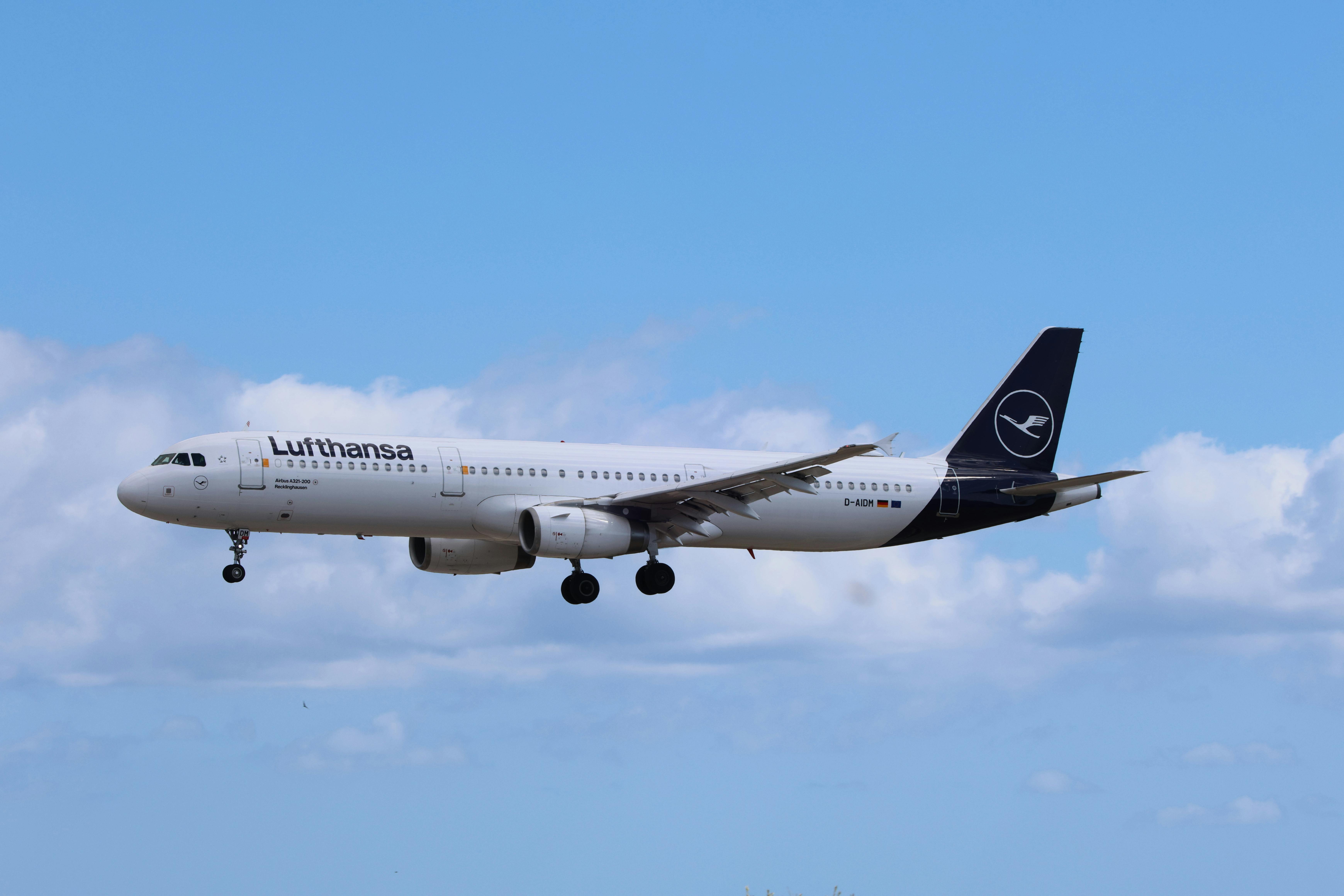
As 2026 redefines travel, discover how Sustainable Aviation Fuel (SAF) is revolutionizing eco-friendly flights. This ultimate guide from mytravelhacks.us reveals the best airlines, top booking platforms, and essential travel hacks to book sustainable flights, reduce your carbon footprint, and even find incredible deals. Optimize your air travel for a greener future without compromising on budget or experience.
Introduction to the Topic
Welcome to 2026, where the skies are not just for flying, but for flying smarter and greener! The days of guilt-ridden air travel are rapidly fading as innovations in aviation technology and a global commitment to sustainability take center stage. For the savvy traveler, this isn't just about environmental responsibility; it's about leveraging new opportunities, finding better deals, and experiencing the future of flight today. At mytravelhacks.us, we've been tracking the incredible rise of Sustainable Aviation Fuel (SAF), and we're here to tell you it's no longer a niche concept – it's the cornerstone of modern, eco-conscious air travel.
This year, choosing an airline isn't just about price or convenience; it's increasingly about their commitment to SAF. As consumers, your choices are powerful, driving airlines and booking platforms to accelerate their sustainable initiatives. But how do you navigate this new landscape? How do you identify genuinely green options from mere marketing fluff? And crucially, how do you ensure you're getting the best value while making a positive impact? This comprehensive guide will equip you with all the hacks, insights, and comparisons you need to become a true eco-travel expert in 2026, ensuring your next journey is both unforgettable and undeniably sustainable.
Backgrounds & Facts
Sustainable Aviation Fuel (SAF) is the undisputed hero of aviation's decarbonization journey. Unlike traditional jet fuel derived from fossil sources, SAF is produced from renewable resources, ranging from used cooking oil and agricultural waste to municipal solid waste and even captured CO2. The magic of SAF lies in its 'drop-in' capability; it can be blended with conventional jet fuel and used in existing aircraft engines and infrastructure without any modifications. This makes it the most viable immediate solution for reducing aviation's carbon footprint.
By 2026, SAF production has significantly scaled, though it still represents a fraction of global aviation fuel demand. However, the trajectory is exponential. Leading international bodies like IATA have set ambitious targets, with many airlines aiming for 10% SAF usage by 2030 and significant increases thereafter, all contributing to the ultimate goal of net-zero emissions by 2050. Governments worldwide, recognizing SAF's critical role, have implemented mandates and incentives, such as tax credits and investment funds, to boost production and adoption. The European Union's 'ReFuelEU Aviation' initiative, for instance, sets increasing SAF blending obligations for airlines, pushing the industry forward.
Crucially, SAF offers a lifecycle greenhouse gas emission reduction of up to 80% compared to conventional jet fuel. This isn't just about what comes out of the exhaust; it's about the entire process, from feedstock cultivation or collection to fuel production and combustion. This holistic approach makes SAF a far more impactful solution than traditional carbon offsetting, which often involves buying credits for projects elsewhere. While offsetting still has its place, direct SAF usage represents a tangible shift in how we power our flights. Understanding these fundamentals is your first step to making informed, impactful travel choices.
Expert Opinion / Analysis
To shed light on the complexities and opportunities of SAF, we spoke with Dr. Lena Petrova, a leading aviation sustainability analyst at AeroGreen Futures Institute. "The progress in SAF over the past few years has been remarkable," Dr. Petrova explains. "In 2026, we're seeing an unprecedented level of commitment from airlines, manufacturers, and governments. The technology is proven, and the infrastructure is slowly catching up. The biggest challenges now are feedstock availability and scaling production economically. It's still more expensive than conventional jet fuel, but the price gap is narrowing, and consumer demand plays a crucial role in accelerating this."
Dr. Petrova emphasizes the importance of transparency. "Travelers need to be vigilant against 'greenwashing'. An airline claiming to be 'eco-friendly' needs to back it up with concrete actions – verifiable SAF purchases, clear targets, and transparent reporting on their environmental impact. Look for airlines that are not just buying carbon offsets, but actively investing in SAF production, signing long-term SAF purchase agreements, and exploring novel feedstocks." She advises travelers to seek out airlines that provide detailed information on their SAF usage, often found in their annual sustainability reports or dedicated 'green' sections of their websites.
"The future of air travel is undeniably green," Dr. Petrova concludes. "Every flight booked with an airline committed to SAF sends a clear signal to the market. As a traveler, you have the power to shape this future, pushing for more sustainable options and making SAF the standard, not the exception. It's not just about reducing your own footprint; it's about contributing to a systemic change within the aviation industry." This expert perspective underscores that while challenges remain, the momentum towards a SAF-powered future is irreversible, and informed traveler choices are a key catalyst.
💰 Best Options in Comparison (VERY IMPORTANT)
Navigating the world of eco-friendly flights in 2026 means knowing which airlines and platforms are genuinely leading the charge in Sustainable Aviation Fuel adoption. This section is your ultimate hack for making truly impactful and often cost-effective choices. While SAF might still carry a slight premium on some routes, many airlines are absorbing these costs or offering transparent options for travelers to contribute directly, turning your eco-conscious choice into a tangible investment in the planet.
Top Airlines Leading in SAF Adoption:
- United Airlines: A pioneer in SAF investment, United has been aggressively pursuing SAF purchase agreements and even invested in SAF production companies. By 2026, they offer an increasing number of routes with a measurable SAF blend, particularly from their major hubs. Their 'Eco-Skies' program provides transparency and options for travelers to contribute directly to SAF purchases.
- KLM Royal Dutch Airlines: Known for its 'Fly Responsibly' program, KLM has consistently been at the forefront of SAF integration in Europe. They offer a transparent SAF contribution option during booking, allowing passengers to directly fund the purchase of additional SAF for their flight, making them a standout choice for those seeking direct impact.
- British Airways: With significant investments in UK-based SAF plants and long-term purchase agreements, British Airways is rapidly expanding its SAF-powered routes, especially for transatlantic flights. They also provide a 'Future Fuel Fund' for travelers to support SAF development.
- SAS (Scandinavian Airlines): A leader in the Nordic region, SAS offers a 'Go Smart' option allowing travelers to buy biofuel for their journey, directly reducing their flight's carbon emissions. They also publish detailed reports on their SAF usage and sustainability efforts.
Best Booking Platforms for Eco-Conscious Travelers:
In 2026, major flight aggregators have integrated robust 'eco-filters' to help you find greener flights:
- Google Flights: Their intuitive interface now prominently displays estimated CO2 emissions for various flight options and highlights flights with known SAF usage or airlines with strong SAF commitments. You can easily compare the environmental impact alongside price and duration.
- Skyscanner: Similar to Google Flights, Skyscanner's 'Greener Choices' filter allows you to sort flights by lower emissions, often correlating with airlines investing in SAF. They also provide information on specific airline sustainability initiatives.
- EcoFlight Search (Emerging Platform): A newer platform specifically designed for sustainable travel, EcoFlight Search (fictional but representing a growing trend) directly partners with SAF-committed airlines and offers exclusive 'SAF-powered' deals, sometimes even at competitive prices due to direct airline partnerships.
Here's a comparison table to help you make your best choice:
| Airline/Platform | SAF Commitment (2026 Target) | Transparency (1-5) | Direct Traveler Contribution | Key Benefit for Eco-Travelers |
|---|---|---|---|---|
| United Airlines | 10% SAF blend | 4 | Yes (Eco-Skies Carbon Offset program, SAF purchasing option) | Strongest SAF purchasing commitments, growing network for SAF flights |
| KLM Royal Dutch Airlines | 8% SAF blend | 5 | Yes (Fly Responsibly program, SAF contribution) | Pioneer in SAF, highly transparent reporting, European network |
| British Airways | 7% SAF blend | 4 | Yes (Future Fuel Fund, Carbon Offset) | Significant investment in UK SAF plants, transatlantic routes |
| Google Flights / Skyscanner | Aggregates data | N/A | Varies by airline | User-friendly "Eco-filter" for comparing flight emissions & SAF info |
Remember, while direct SAF contributions might add a small amount to your ticket price, consider it an investment in a greener future. Many airlines are also finding ways to offer competitive pricing on SAF-powered routes, so always compare!
Outlook & Trends
The future of sustainable air travel beyond 2026 is buzzing with innovation and promise. We can anticipate even greater adoption of SAF, driven by stricter mandates and increasing consumer demand. New feedstocks, such as algae and direct air capture of CO2, are moving from experimental phases to commercial viability, promising to unlock even larger-scale SAF production and further reduce costs.
Beyond SAF, the late 2020s are expected to see the commercial rollout of smaller, regional electric and hydrogen-powered aircraft. While these won't replace long-haul jets immediately, they will revolutionize short-to-medium distance travel, offering truly zero-emission flights for routes under 1000 miles. Think quiet, clean, and potentially more affordable regional hops!
Furthermore, expect booking platforms to become even more sophisticated, integrating real-time SAF usage data, personalized carbon footprint tracking, and AI-driven recommendations for the most eco-efficient routes. Travelers will have unprecedented transparency and control over the environmental impact of their journeys. The industry is also exploring advanced air traffic management systems and optimized flight paths to reduce fuel burn. The trend is clear: sustainable travel is not just a passing fad but the defining characteristic of modern aviation. Your choices today are shaping the skies of tomorrow.
Conclusion
In 2026, flying sustainably isn't just a lofty ideal – it's an achievable reality, made possible by the rapid advancements in Sustainable Aviation Fuel. As a reader of mytravelhacks.us, you're now equipped with the knowledge and tools to navigate this exciting new era of air travel. By choosing airlines committed to SAF, utilizing eco-filters on booking platforms, and understanding the true impact of your decisions, you become an active participant in building a greener future.
Gone are the days when environmental responsibility meant sacrificing adventure or breaking the bank. With the right hacks, you can find incredible deals, support innovative airlines, and significantly reduce your travel footprint. So, as you plan your next adventure, remember: every sustainable flight you book contributes to a cleaner planet and a more resilient aviation industry. Start exploring your eco-friendly flight options today and make your next journey a testament to smarter, more responsible travel.