
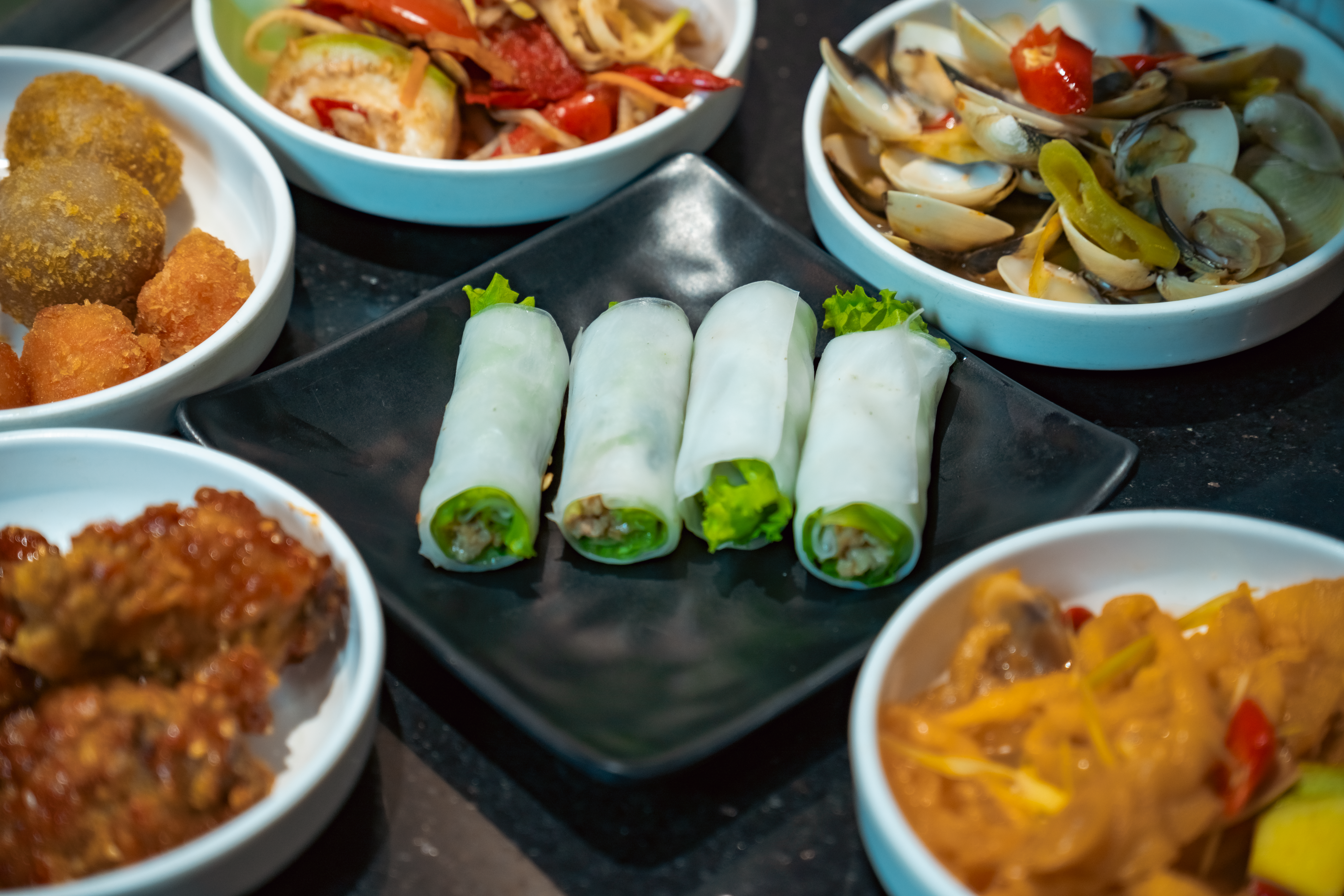
As we journey into 2026, culinary travel is evolving beyond mere indulgence, embracing sustainability and hyper-local experiences. Discover the best eco-gourmet tours, plant-based adventures, and community-focused food journeys. This guide helps you compare top operators, find exclusive deals, and book your next responsible gastronomic escape, maximizing your travel budget and impact.
Introduction to the Topic
Welcome to 2026, where the discerning traveler seeks more than just a meal; they crave an experience that resonates with their values. The world of culinary travel has undergone a delicious revolution, shifting its focus dramatically towards sustainability, ethical sourcing, and deep cultural immersion. Gone are the days when 'food tourism' simply meant ticking off Michelin-starred restaurants. Today, it's about understanding the journey from farm to fork, connecting with local producers, and minimizing your environmental footprint while savoring authentic flavors.
At mytravelhacks.us, we've observed a monumental surge in demand for 'eco-gourmet' adventures – trips that not only tantalize your taste buds but also contribute positively to the destinations you visit. This isn't just a fleeting trend; it's the future of food exploration, driven by conscious consumerism and a global awareness of our planet's delicate ecosystems. Whether you're a seasoned foodie, an ethical vegan, or simply someone looking to make more responsible travel choices, 2026 offers an unprecedented array of sustainable culinary experiences designed to enrich your palate and your soul.
Backgrounds & Facts
The culinary travel sector has grown exponentially, projected to reach over $1.8 trillion by 2027. However, the most significant growth segment is undoubtedly sustainable culinary tourism. Data from the World Food Travel Association indicates that over 70% of travelers in 2025 expressed a preference for sustainable travel options, a figure expected to climb even higher in 2026. This isn't just about 'greenwashing'; it's about genuine impact.
The shift is multifaceted:
- Environmental Awareness: Travelers are increasingly aware of the carbon footprint associated with food production and transportation. They seek tours that prioritize local, seasonal ingredients, minimize waste, and support regenerative agriculture.
- Hyper-Localism: The desire to connect directly with a destination's unique terroir is paramount. This means foraging for wild edibles, participating in traditional cooking classes with local families, visiting artisan producers, and understanding indigenous foodways.
- Ethical Sourcing & Community Impact: Responsible travelers want to ensure their money directly benefits local communities, supports fair wages, and preserves cultural heritage. Tours that partner with small-scale farmers, fishermen, and local co-operatives are highly sought after.
- Plant-Based & Wellness Integration: A significant segment of the market in 2026 is dedicated to plant-based culinary experiences, reflecting a global health and environmental movement. Wellness retreats that combine mindful eating with local, plant-forward cuisine are booming.
Leading the charge are destinations like the Nordic countries with their New Nordic Cuisine emphasizing purity and seasonality, Italy with its agriturismo and Slow Food movement, and Southeast Asian nations like Vietnam and Thailand, renowned for their vibrant street food culture and commitment to fresh, local ingredients. These regions are actively innovating, offering experiences that are both delicious and deeply responsible.
Expert Opinion / Analysis
“The culinary traveler of 2026 isn't just a diner; they're an anthropologist, an environmentalist, and a storyteller,” states Dr. Anya Sharma, a leading sustainable tourism consultant. “They want to understand the provenance of their food, the hands that cultivated it, and the cultural narrative it embodies. This is where the industry's future lies.”
Dr. Sharma highlights several key trends driving this evolution:
- Technology as an Enabler: AI-powered platforms are now curating highly personalized sustainable food itineraries, matching travelers with experiences based on their dietary preferences, ethical concerns, and desired level of immersion. Blockchain technology is also gaining traction, providing transparent supply chain information for ingredients used in high-end culinary tours, allowing travelers to verify the ethical sourcing of their meals.
- Regenerative Travel: Beyond just 'sustainable,' the concept of 'regenerative' travel is emerging. This means leaving a place better than you found it, actively participating in conservation efforts, or contributing to community projects during your culinary journey. Think olive tree planting in Tuscany or coral reef restoration combined with fresh seafood tasting in the Maldives.
- Certification Matters: With increased demand comes the risk of 'greenwashing.' Travelers in 2026 are savvier, looking for tours and operators certified by reputable bodies like Green Globe, B Corp, or local eco-tourism standards. These certifications provide a benchmark for genuine commitment to sustainability.
- The Rise of the 'Micro-Adventure': Shorter, highly focused culinary trips to nearby regions are gaining popularity, reducing carbon emissions from long-haul flights while still offering profound local experiences.
The challenge, according to Dr. Sharma, is maintaining authenticity and ensuring that increased tourism genuinely benefits local communities without overwhelming them. “It's a delicate balance, but one that the best operators are mastering through deep community engagement and responsible visitor management,” she concludes.
💰 Best Options in Comparison (VERY IMPORTANT)
Navigating the burgeoning market of sustainable culinary tours in 2026 can be daunting. To help you make an informed decision and find the perfect experience that aligns with your values and budget, we've curated and compared some of the top options available. These platforms and tour operators are leading the charge in ethical, immersive, and unforgettable food travel.
- EcoGourmet Expeditions: Specializing in luxury sustainable food tours across Europe and Latin America. Their packages often include Michelin-starred chefs focusing on local ingredients, private farm visits, and exclusive cooking classes with renowned culinary figures. They boast 100% carbon offsetting for all trips and invest heavily in local community development projects.
- Local Palate Journeys: A community-focused platform connecting travelers directly with local hosts for authentic cooking classes, market tours, and home-cooked meals in Asia and Africa. Their emphasis is on cultural exchange and direct economic benefit to local families, offering a more budget-friendly yet deeply immersive experience.
- Verdant Table Retreats: Dedicated entirely to plant-based and wellness-focused culinary travel. Their retreats combine gourmet vegan cooking workshops, foraging excursions, and mindful eating practices in serene natural settings, primarily in Costa Rica, Bali, and the Mediterranean. Ideal for health-conscious travelers and ethical vegans.
- FoodieFindr 2026 (DIY & Self-Guided): Not a tour operator, but a revolutionary AI-powered app launching in 2026. FoodieFindr curates personalized self-guided sustainable food trails in major cities worldwide, recommending certified eco-friendly restaurants, local markets, and artisan producers based on your preferences and real-time local availability. Integrates with public transport routes and offers exclusive discounts.
Here’s a detailed comparison to help you choose:
| Option | Specialty | Sustainability Focus | Price Range (per person, 5-7 days) | Key Features | Best For | Book Now! |
|---|---|---|---|---|---|---|
| EcoGourmet Expeditions | Luxury Eco-Gourmet Tours | 100% Carbon Offset, Community Investment, Local Sourcing | $$ (from $4,500) | Michelin-starred chefs, private farm tours, exclusive access | Discerning travelers, luxury eco-conscious foodies | Exclusive Deals! |
| Local Palate Journeys | Immersive Local & Community-Based | Direct Local Economic Benefit, Cultural Preservation, Waste Reduction | $ (from $800) | Home-cooked meals, market visits with locals, authentic cooking classes | Budget-conscious adventurers, cultural immersion seekers | Find Your Journey! |
| Verdant Table Retreats | Plant-Based & Wellness Culinary | Organic Sourcing, Minimal Impact, Health & Wellness Focus | $$ (from $2,200) | Gourmet vegan workshops, foraging, yoga & meditation, detox programs | Ethical vegans, health-conscious travelers, wellness enthusiasts | View Retreats! |
| FoodieFindr 2026 App | Self-Guided Sustainable Food Trails | Supports Certified Local Businesses, Reduces Food Waste through Deals | $ (per subscription/city guide) | AI-personalized itineraries, real-time deals, public transport integration | Independent travelers, budget-friendly explorers, tech-savvy foodies | Download the App! |
Outlook & Trends
The future of sustainable culinary travel in 2026 and beyond promises even greater innovation and deeper immersion. We anticipate a continued move towards highly personalized experiences, with AI and VR playing a larger role in pre-trip planning, allowing travelers to virtually explore destinations and even 'taste' local dishes before they book. This will enhance decision-making and reduce potential waste from unsuitable bookings.
Regenerative travel will become mainstream, with more tours incorporating hands-on participation in environmental restoration or social impact projects. Think not just eating at a farm, but helping to plant new crops or restore a local ecosystem. Emerging destinations, particularly those focused on preserving indigenous food cultures and biodiversity, will gain traction. Regions in Patagonia, the Amazon Basin, and remote Pacific islands are already developing unique, low-impact culinary experiences.
Furthermore, the integration of health and wellness with culinary travel will deepen. Expect more retreats focusing on 'food as medicine,' ancestral diets, and gut health, all sourced from hyper-local, organic ingredients. Climate change will also influence choices, leading to increased interest in resilient food systems, drought-resistant crops, and innovative urban farming tours. The culinary journey of tomorrow will not only satisfy hunger but also educate, inspire, and contribute to a healthier planet.
Conclusion
As we navigate the exciting culinary landscape of 2026, the message is clear: conscious consumption is king. Sustainable culinary travel offers an unparalleled opportunity to explore the world's diverse flavors while making a positive impact on the environment and local communities. From luxurious eco-gourmet expeditions to deeply immersive local journeys and cutting-edge plant-based retreats, there's an option for every palate and every budget.
Don't just eat your way around the world; savor it responsibly. Use this guide to compare the best options, leverage exclusive deals, and book your next unforgettable adventure. Your taste buds, and the planet, will thank you. Start planning your eco-gourmet escape today and become part of the delicious revolution!