
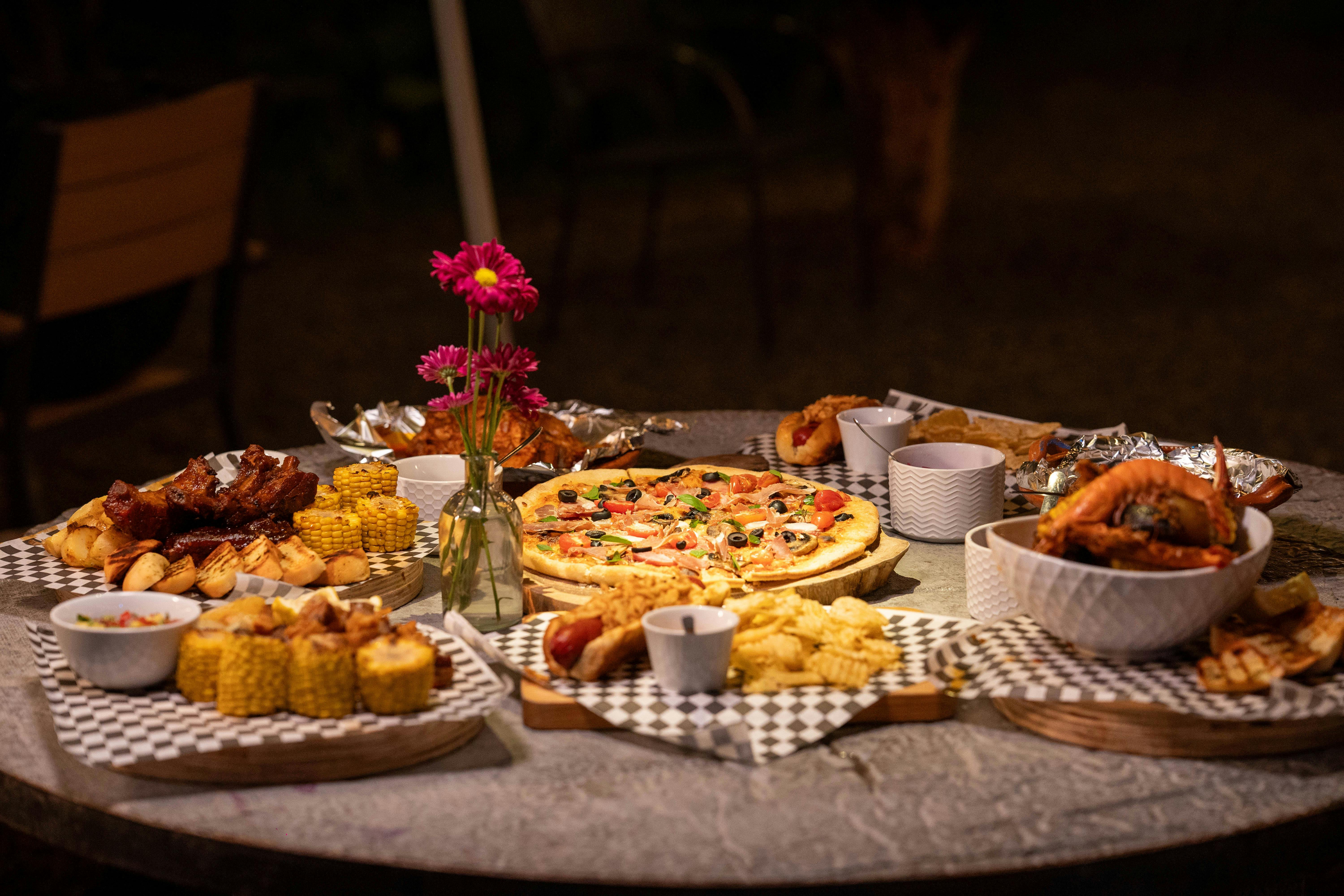
Unlock the ultimate 2026 food travel experience! Discover hyper-local culinary deep dives and micro-gastronomy tours, the hottest trend for authentic, sustainable, and unforgettable food adventures. Learn how to book the best gastronomic tours, compare top operators, and find exclusive gourmet travel deals for your next adventure. Get ready to transform your travel experience with a taste of true local culture!
Introduction to the Topic
Welcome to 2026, where the world of travel has evolved beyond mere sightseeing into profound, immersive experiences. For the modern foodie, this means one thing: the meteoric rise of hyper-local culinary deep dives and micro-gastronomy tours. Forget the generic tourist traps and mass-produced meals; today's discerning traveler seeks authentic, sustainable food experiences that connect them directly to the heart and soul of a destination. This isn't just about eating; it's about understanding the provenance of ingredients, learning traditional cooking techniques, and sharing meals with local families and artisans. We're talking about an intimate exploration of regional flavors, often focusing on a single ingredient, a specific neighborhood, or even a particular family recipe passed down through generations. This emerging trend promises not just a meal, but a story, a connection, and an unforgettable memory. Are you ready to dive into the most exciting food travel trends of 2026 and discover how to book your next gastronomic adventure?
Backgrounds & Facts
The shift towards hyper-local culinary experiences isn't arbitrary; it's a response to several powerful global forces. Post-pandemic, travelers crave more meaningful, less superficial interactions. This has fueled the demand for authentic food experiences that offer genuine cultural immersion. Data from leading travel analytics firms indicates that culinary tourism is projected to be one of the fastest-growing segments in the travel industry, with an estimated market value exceeding $2 trillion by 2030, driven significantly by interest in niche and specialized food tours. Travelers are increasingly prioritizing sustainability, seeking out tours that support local economies, minimize environmental impact, and celebrate indigenous foodways. This aligns perfectly with the micro-gastronomy model, which often focuses on farm-to-table practices, seasonal ingredients, and direct engagement with local producers. Furthermore, the digital age has empowered travelers with sophisticated tools to discover and book these unique sustainable food travel packages, moving beyond traditional guidebooks to personalized recommendations and peer reviews. The desire for unique, Instagrammable, and shareable experiences also plays a role, as travelers seek out stories that resonate long after the last bite. It’s no longer enough to just visit; travelers want to participate, learn, and contribute, making these tours a cornerstone of responsible and enriching travel.
Expert Opinion / Analysis
Leading figures in the food and travel industries unanimously agree: hyper-local is the future. "Travelers in 2026 are highly sophisticated," explains Dr. Anya Sharma, a renowned food anthropologist and author of 'The Global Palate'. "They're not just looking for flavor; they're seeking narrative. Micro-gastronomy tours provide a direct conduit to cultural heritage, allowing for a deeper understanding of a community through its most fundamental expression: food." Chef Marco Bianchi, a two-Michelin-starred restaurateur celebrated for his dedication to regional Italian ingredients, adds, "The beauty of a hyper-local tour is its ability to highlight the extraordinary in the ordinary. It elevates a simple ingredient, a traditional technique, or a small family farm into a profound culinary journey. This focus on quality and authenticity is what truly distinguishes these experiences." Sarah Chen, CEO of 'Global Foodie Guides', a leading platform for personalized food itineraries, emphasizes the role of technology. "Our data shows a massive uptick in searches for 'local cooking classes abroad' and 'farm-to-table experiences'. AI-powered recommendation engines are now crucial for connecting travelers with highly specific, off-the-beaten-path culinary adventures that perfectly match their dietary preferences, interests, and budget. This isn't just a trend; it's a fundamental shift in how we engage with food while traveling." These experts underscore that the value lies not just in the food itself, but in the stories, the people, and the cultural immersion these tours facilitate, making them invaluable for any traveler seeking more than just a meal.
💰 Best Options in Comparison (VERY IMPORTANT)
Navigating the burgeoning market of hyper-local culinary tours can be overwhelming, but with the right guidance, you can find the perfect fit for your budget and travel style. Here are the top categories of food tour operators and platforms to consider when planning your 2026 gastronomic adventure, optimized for finding the best deals and experiences:
-
Boutique Hyper-Local Tour Operators
These specialized companies focus on niche experiences within a single region or city. They often have unparalleled local connections, offering exclusive access to private homes, hidden markets, and artisan workshops. Think 'Tuscan Truffle Treks' or 'Kyoto Matcha Masters'.
Pros: Deep immersion, unique access, highly personalized. Ideal for specific interests. Often includes hands-on cooking classes. Best for those seeking exclusive gourmet travel deals and authentic encounters.
Cons: Higher price point, limited availability, less flexibility in itinerary changes. Booking directly might require more research.
-
Global Experiential Platforms (e.g., Enhanced 'EatWith' Models)
Platforms like the evolved 'EatWith' connect travelers with local hosts for dining experiences, cooking classes, and market tours. In 2026, these platforms integrate advanced AI for hyper-personalized matches and real-time availability, ensuring you can easily book local cooking classes anywhere.
Pros: Wide variety of options globally, competitive pricing, easy booking process, peer reviews for transparency. Great for finding affordable food tours and casual culinary experiences.
Cons: Quality can vary depending on the host, less specialized than boutique operators. Not always focused on deep dives into a single ingredient or theme.
-
DIY with AI-Powered Guides & Apps
For the independent adventurer, a new generation of AI-powered travel apps (like 'Gourmet Navigator' or 'LocalBite AI') offers self-guided culinary tours. These apps leverage augmented reality (AR) and real-time data to suggest routes, explain ingredients, and even translate menus as you explore a city's culinary landscape.
Pros: Ultimate flexibility and cost-effectiveness, perfect for budget travelers. Instant access to information and recommendations. Excellent for budget food travel and spontaneous exploration.
Cons: Requires self-motivation, no direct local guide interaction, less access to exclusive experiences.
-
Luxury Bespoke Culinary Journeys
Tailored by high-end travel agencies, these journeys offer fully customized, private culinary itineraries, often including private chefs, Michelin-starred restaurant reservations, and exclusive access to vineyards or food festivals. Think 'Private Gastronomic Safari in Bordeaux'.
Pros: Unparalleled luxury, complete customization, VIP access, seamless logistics. Ideal for those seeking the ultimate luxury food travel packages.
Cons: Extremely high price point, not accessible for most travelers.
To help you compare, here's a detailed breakdown of these options:
| Feature | Boutique Hyper-Local | Global Experiential Platforms | DIY with AI Guides | Luxury Bespoke Journeys |
|---|---|---|---|---|
| Price Range (per person) | $150 - $800+ | $50 - $250 | $5 - $30 (app cost) + food | $1,000 - $10,000+ |
| Customization Level | High (often small groups) | Medium (host-dependent) | Very High (self-paced) | Ultimate (fully tailored) |
| Sustainability Focus | Very High (local sourcing) | Medium (varies by host) | Low (user discretion) | High (curated options) |
| Local Immersion | Exceptional (expert guides) | Good (direct host interaction) | Self-driven (minimal interaction) | Excellent (curated experiences) |
| Booking Ease | Moderate (direct contact) | Very Easy (app/website) | Instant (app download) | Moderate (travel agent) |
| Best For | Deep dives, specific interests, small groups, culinary travel financing | Variety, casual dining, budget-conscious, food tour booking platforms | Independent explorers, budget travel, spontaneity | Ultimate luxury, VIP access, bespoke planning |
When making your choice, consider not just the upfront cost, but also the value of the experience, the level of immersion you desire, and always remember to check for travel insurance for food allergies or cancellations, a crucial step for any savvy foodie traveler.
Outlook & Trends
The future of hyper-local culinary travel in 2026 and beyond is bursting with innovation. Expect to see further integration of cutting-edge technology: think AR glasses that provide real-time information about ingredients at a market stall, or AI companions that curate personalized dining recommendations based on your evolving tastes and preferences throughout your trip. The focus on sustainable tourism 2026 will intensify, with more tours emphasizing regenerative agriculture, zero-waste practices, and direct contributions to local conservation efforts. Emerging destinations, previously overlooked, will step into the spotlight, offering untouched gastronomic landscapes. We'll see a rise in "foodie sabbaticals," where travelers spend extended periods in a region to deeply learn a specific culinary tradition. The convergence of wellness and food travel will also grow, with tours integrating yoga, meditation, and foraging into their itineraries. Furthermore, expect subscription models for curated local food experiences, delivered right to your accommodation, allowing for a taste of the local scene even on a tight schedule. The demand for transparent supply chains and ethical sourcing will continue to shape offerings, ensuring that every bite tells a story of responsibility and passion. This isn't just about food; it's about a holistic, enriching, and responsible way to experience the world.
Conclusion
In 2026, the world is your oyster – or perhaps, your artisan cheese, your heritage grain, or your wild-foraged mushroom. Hyper-local culinary deep dives and micro-gastronomy tours offer an unparalleled opportunity to connect with cultures, support local communities, and create truly unforgettable memories. Whether you opt for a boutique operator, a global platform, an AI-guided adventure, or a luxury bespoke journey, the key is to seek authenticity and immersion. Don't just eat; explore, learn, and savor every moment. Now is the perfect time to plan your food trip and compare and book the best food tours. Your next extraordinary gastronomic travel adventure awaits!