
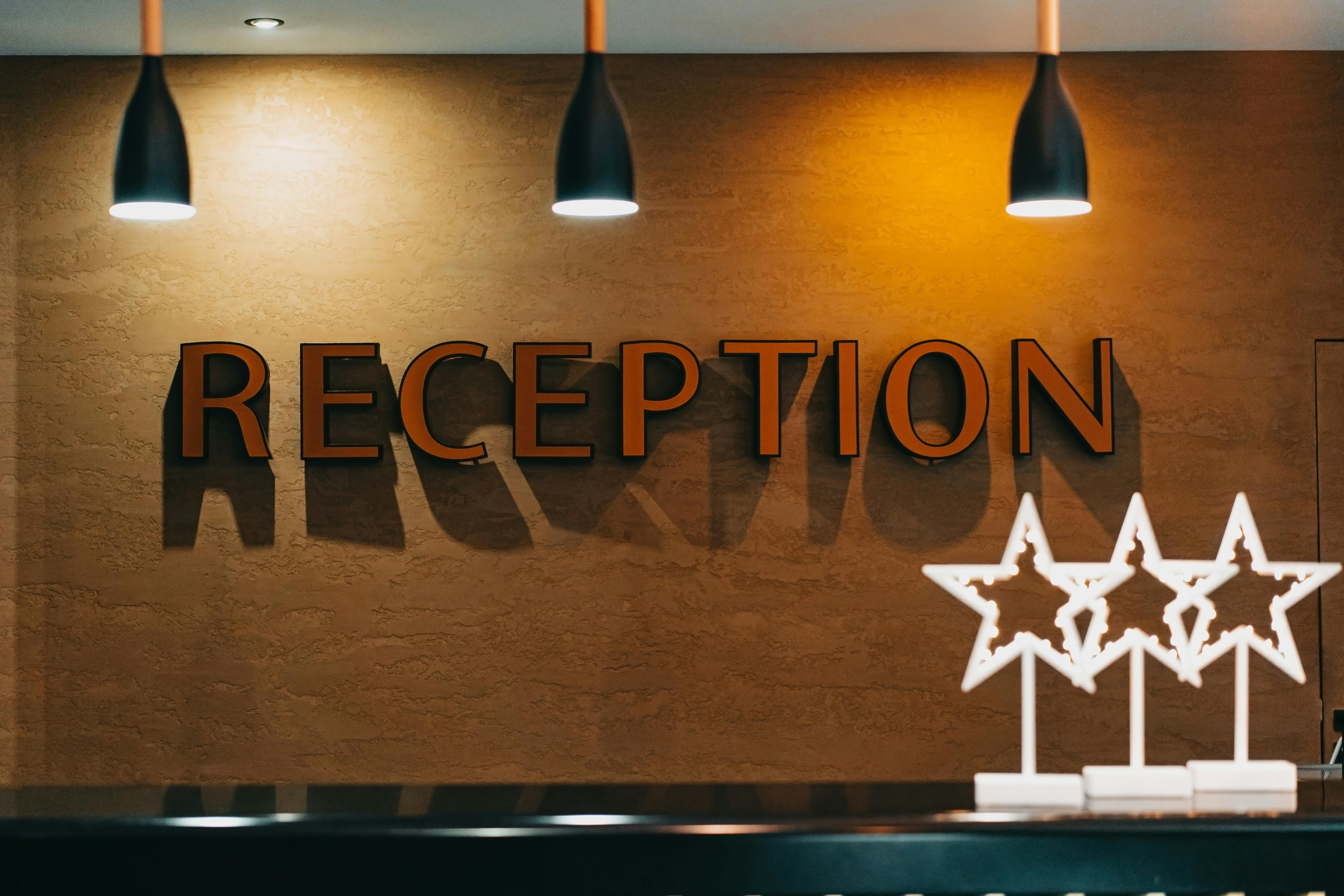
A guest with a confirmed reservation can arrive to be told the hotel is full and a room has been arranged elsewhere. The practice is deliberate, forecast in advance, and known in the industry as walking a guest.
Overselling is a forecasting decision
Hotels expect a predictable share of bookings not to materialise through cancellations, no-shows and early departures on any given night.
An empty room earns nothing and cannot be resold later, so leaving that expected shortfall unfilled is a guaranteed loss rather than a cautious choice.
Revenue systems therefore authorise selling a calculated number of rooms beyond capacity, sized against the historical no-show rate for that date and season.
The forecast fails when patterns break
Overselling works until the assumed cancellations do not occur, which happens when an event fills a city or a weather disruption strands travellers.
Maintenance faults compound it, since a room taken out of service reduces capacity after the night has already been sold.
Late departures also matter: a guest extending on the day removes a room that had been counted on for an arriving reservation.
The relocation is handled at the hotel's cost
Standard practice is to place the guest at a comparable or better nearby property, pay for that first night, and cover transport to it.
Many hotels add a return to the original property for the remaining nights, along with compensation in loyalty points or a credit.
Chains publish internal walk policies, and branded properties are generally more consistent about honouring them than independents, which negotiate case by case.
Some reservations are walked before others
Front desks work through a rough order: single-night stays, lower-rate bookings and reservations made through third-party channels tend to be moved first.
Guests staying multiple nights are usually protected, because moving them creates a second problem the following day.
Loyalty status, direct bookings and guaranteed reservations with a card on file sit higher in the order, which is one of the tangible benefits of each.
Reducing the chance of it happening
Checking in early, or calling on the day of arrival to confirm, both signal that the reservation is real and put the guest ahead of unconfirmed ones.
Late arrivals are the most exposed, so telling the hotel a flight lands after midnight is more effective than assuming a guarantee covers it.
If it happens, asking specifically what the hotel will cover, and getting the arrangement confirmed in writing before leaving the desk, prevents a dispute afterwards.