
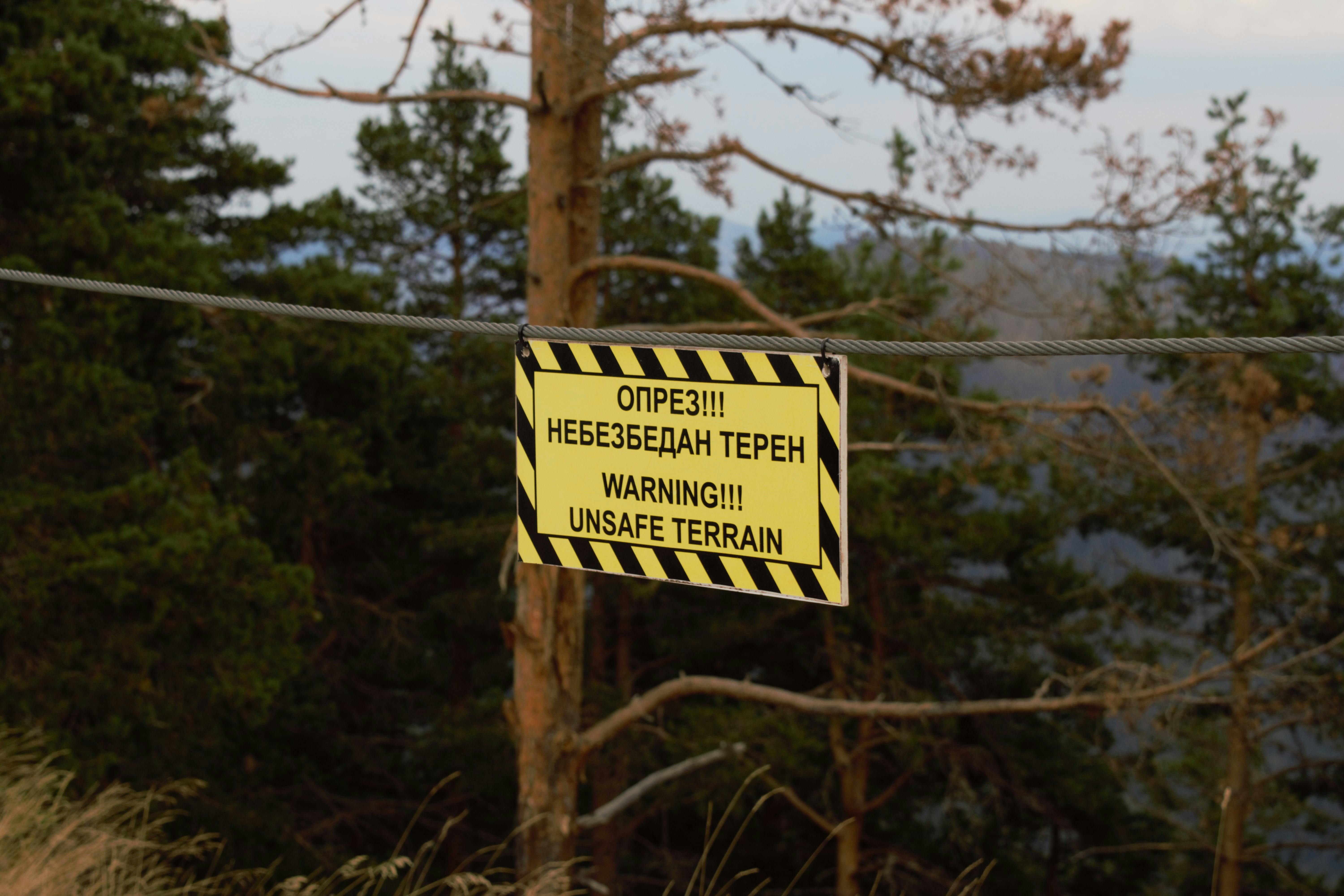
The internet is ablaze with raw, unfiltered stories of triumph and terror. Forget your comfortable armchair travel – a new breed of adventurer is pushing boundaries, shedding digital shackles, and staring down the primal fear of the unknown. This isn't just a trend; it's a societal earthquake, shattering comfort zones and revealing what we're truly made of. Are you brave enough to disconnect from the world... and reconnect with yourself, in the most extreme way imaginable?
🔥 What's Happening Right Now
A seismic shift is underway in the world of adventure, fueled by a collective craving for authenticity, resilience, and a profound escape from the relentless hum of modern life. We're talking about the explosion of "Deep Wilderness Immersion" and "Guided Survival Experiences" – an extreme adventure trend that is absolutely dominating feeds, sparking heated discussions, and inspiring a generation to trade their screens for the wild. This isn't your grandma's camping trip; it's a deliberate, often grueling, plunge into untamed nature, designed to strip away the superfluous and reveal the core of human capability.
The allure is multifaceted. Post-pandemic, Americans are seeking more than just relaxation; they're yearning for transformation. Burnout from the digital grind, the psychological toll of constant connectivity, and a growing disillusionment with consumerism have created a fertile ground for experiences that promise true disconnect and profound self-discovery. Enter the wilderness, not as a backdrop for a selfie, but as a crucible for personal growth. Influencers, once showcasing luxury resorts, are now broadcasting their raw, unedited struggles through dense forests, across unforgiving deserts, or atop remote mountain peaks. Hashtags like #WildernessWarrior, #SurvivalChallenge, and #DigitalDetoxExtreme are racking up billions of views, showcasing everything from mastering bushcraft skills to navigating treacherous terrain with nothing but a map and sheer grit.
This trend taps into something primal. In a world saturated with convenience, the deliberate pursuit of hardship offers a unique form of exhilaration. Participants aren't just learning to build a fire or find water; they're learning about their own limits, their fears, and their inner strength. Stories of individuals pushing through exhaustion, confronting wildlife, or enduring harsh elements are becoming viral sensations because they resonate deeply with a subconscious desire to prove one's mettle. From multi-day treks through the remote Alaskan wilderness, where participants learn to fish and forage, to intense desert survival courses in Utah that teach advanced navigation and shelter building, the options are as diverse as the landscapes themselves. Even the most luxurious versions of these experiences, often dubbed "luxury survival," still retain that core element of challenge, albeit with more creature comforts waiting at the end of a grueling day.
What makes it "breaking the internet" is the sheer rawness and authenticity. Unlike curated travel photos, these experiences often involve mud, sweat, tears, and genuine vulnerability. Content creators are sharing their failures as much as their triumphs, fostering a sense of community and relatability that traditional aspirational travel often lacks. This transparency is incredibly compelling, making viewers feel like they're right there, experiencing the struggle and the eventual breakthrough. It’s not just about seeing beautiful places; it's about witnessing profound personal evolution, and that, for many, is the ultimate inspiration.
💡 Financial Impact
The "Deep Wilderness Immersion" trend isn't just a cultural phenomenon; it's a booming economic engine, driving significant growth across multiple sectors and boasting immense commercial value. The adventure tourism market, already robust, is experiencing an unprecedented surge specifically in high-end, bespoke, and challenging wilderness experiences. What was once a niche for hardcore survivalists is now a mainstream aspiration, attracting a broader demographic willing to invest substantially in these transformative journeys.
The primary beneficiaries are the specialized adventure companies and survival schools. These operators, ranging from small, expert-led outfits to larger, established expedition providers, are seeing their bookings skyrocket. They offer everything from introductory weekend bushcraft courses costing a few hundred dollars to multi-week, fully guided expeditions into remote corners of the globe that can easily run into five figures. The demand for highly trained guides, wilderness first responders, and specialized instructors has never been higher, creating a burgeoning job market in these often-remote areas. Furthermore, luxury wilderness lodges and glamping resorts are adapting, offering "survival-lite" packages that blend comfort with curated challenges, broadening the appeal and price points.
The ripple effect extends dramatically to the outdoor gear industry. Participants in these extreme adventures require top-tier equipment that can withstand rigorous conditions. This translates into massive sales for manufacturers of high-performance tents, rugged backpacks, advanced navigation devices (GPS, satellite communicators), durable clothing (waterproof, thermal), specialized tools (knives, axes), water purification systems, and dehydrated food. Brands known for their durability and innovation are experiencing record demand, as consumers prioritize reliability and safety over cost. The average participant might spend hundreds, if not thousands, on equipping themselves properly for even a moderately challenging trip.
Beyond the direct service and gear providers, a host of ancillary industries are also thriving. Specialized adventure travel insurance, which covers everything from emergency evacuations to trip cancellations due to extreme weather, is now a non-negotiable for many. Pre-trip training programs, including advanced first aid, wilderness navigation, and physical conditioning, are also seeing increased enrollment. Even the health and wellness sector benefits, as individuals seek to optimize their physical and mental readiness for these demanding experiences. The economic impact also extends to local communities near wilderness areas, which benefit from increased visitor spending on accommodations, food, local transport, and other services, creating a sustainable tourism model in regions that might otherwise struggle economically.
In essence, this trend represents a significant commercial ecosystem, where the desire for extreme self-improvement and authentic experience converges with a willingness to invest in the necessary expertise, equipment, and safety measures. It’s a powerful testament to the commercial viability of tapping into humanity's innate drive for challenge and exploration.
💰 Best Options in Comparison
Ready to answer the call of the wild? Navigating the burgeoning market of deep wilderness immersion and guided survival experiences can be daunting. To help you choose the right adventure to break your comfort zone (and maybe the internet), here's a comparison of some top-tier options, catering to different levels of intensity, luxury, and budget. These are illustrative examples of the types of experiences you can find from leading providers in the US and beyond.
| Program Name | Location | Duration | Price Range | Key Features | Best For |
|---|---|---|---|---|---|
| The Weekend Bushcraft Immersion | Appalachian Mountains, USA | 3 Days / 2 Nights | $400 - $800 | Introductory survival skills (fire starting, shelter building, basic foraging), guided wilderness navigation, small group sizes. Focus on practical application and safety. | Beginners, those seeking a digital detox, individuals wanting to test the waters of wilderness living without extreme commitment. |
| Desert Resilience Challenge | Mojave Desert, USA | 5 Days / 4 Nights | $1,500 - $3,000 | Advanced desert survival techniques (water procurement, solar still construction, extreme heat management), multi-day trekking with limited supplies, mental fortitude training. Expert guides. | Intermediate adventurers, those seeking a significant physical and mental challenge, individuals interested in specialized desert environments. |
| Alaskan Arctic Expedition & Survival | Gates of the Arctic National Park, Alaska, USA | 10 Days / 9 Nights | $7,000 - $15,000+ | Remote arctic trekking, cold weather survival (ice fishing, snow shelter building), wildlife tracking, advanced navigation in extreme conditions. Fully supported expedition with satellite communication. | Experienced adventurers, those seeking an ultimate, high-stakes wilderness experience, individuals prepared for significant investment and hardship. |
| Luxury Wilderness Reconnection Retreat | Montana Rockies, USA | 7 Days / 6 Nights | $5,000 - $10,000 | Blends challenging guided hikes and bushcraft workshops with high-end accommodations (luxury cabins, gourmet meals), mindfulness practices, and expert-led nature immersion. Focus on holistic well-being. | Individuals seeking profound connection with nature and self-discovery, those who appreciate comfort after a day of challenge, high-net-worth adventurers. |
Each of these options offers a unique pathway to pushing your boundaries and experiencing the wild in a deeply personal way. Whether you're aiming for a weekend reset or a life-altering expedition, the commercial landscape is rich with opportunities to invest in your most extreme adventure yet.
Conclusion
The "Deep Wilderness Immersion" trend is more than just a fleeting internet sensation; it's a powerful reflection of a societal hunger for genuine experience, profound challenge, and authentic connection. In an era where digital saturation and constant connectivity often leave us feeling disconnected from ourselves, the call of the wild offers a potent antidote. This extreme adventure trend is breaking the internet not just because it's visually spectacular, but because it taps into a universal yearning to prove our resilience, discover our limits, and ultimately, find a deeper sense of self beyond the confines of our comfort zones.
The commercial implications are undeniable, fueling a multi-billion-dollar industry spanning specialized expeditions, cutting-edge gear, and essential support services. From the rugged peaks of Alaska to the sun-baked deserts of Utah, providers are innovating to meet an insatiable demand for experiences that promise not just a trip, but a transformation. As stories of triumph over adversity continue to flood our feeds, they serve as a potent reminder: the greatest adventures aren't found on a screen, but in the raw, untamed heart of nature – and within ourselves.
So, are you ready to trade your notifications for the whispers of the wind, your curated feed for unfiltered reality, and your comfort zone for the thrill of true self-discovery? The wilderness is calling, and this extreme adventure trend is proving, unequivocally, that the most valuable journeys are often the ones that push us to our absolute edge.