
A hotel booking buys a room type, not a room. Which specific room you receive is decided by the front office shortly before arrival, on criteria the guest never sees.
Inventory is sold by category, then allocated
Revenue systems sell against room categories, each holding a number of physical rooms that differ in view, floor, layout and condition despite carrying the same label.
Because the sale commits only to a category, the property retains freedom to assign the specific room, and it uses that freedom to manage the whole night's occupancy.
Assignment is usually run in advance of arrivals and then adjusted through the day as departures clear and cleaning finishes.
Some rooms are held back deliberately
Properties keep flexibility for guests with accessibility requirements, connecting room needs, and known preferences, all of which constrain assignment more than a category count suggests.
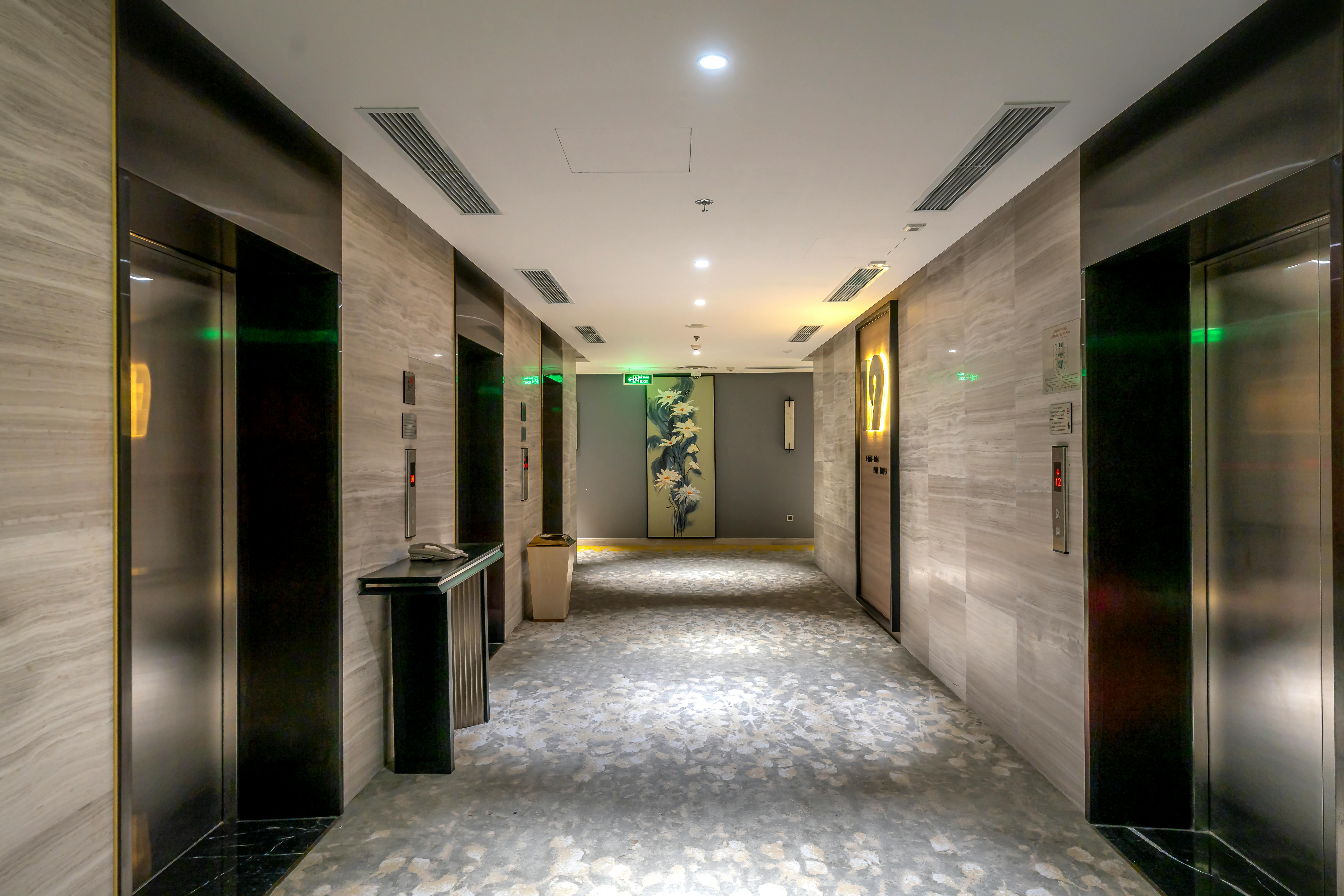
Rooms adjacent to elevators, service areas or ice machines are typically assigned later, since they generate complaints and are the ones a hotel prefers to fill last.
Rooms out of order for maintenance are removed from inventory entirely, which is a common reason a category sells out earlier than the building's room count implies.
Upgrades are inventory management, not generosity
When a lower category sells out and a higher one has not, moving a guest upward frees a sellable room. That is a revenue decision that happens to feel like a favor.
Loyalty status, length of stay, occasion and rate paid all feed into who gets moved, and different brands weight those factors differently under programs that change over time.
On a full night no such movement is possible, which is why the same status produces an upgrade one week and nothing the next.
Housekeeping sequencing shapes the outcome
Rooms become available in the order they are cleaned, and that order is built around departures, arrival times and attendant routes.
Early arrivals are therefore assigned from whatever is finished, which is a smaller and less desirable pool than the one available later in the afternoon.
What actually influences your assignment
Stating a preference at booking and repeating it at check-in works better than either alone, because the assignment run and the human at the desk are separate steps.
Preferences framed as needs — a quiet room, a high floor away from the elevator — are easier to act on than a request to be given something good, which the system cannot interpret.