
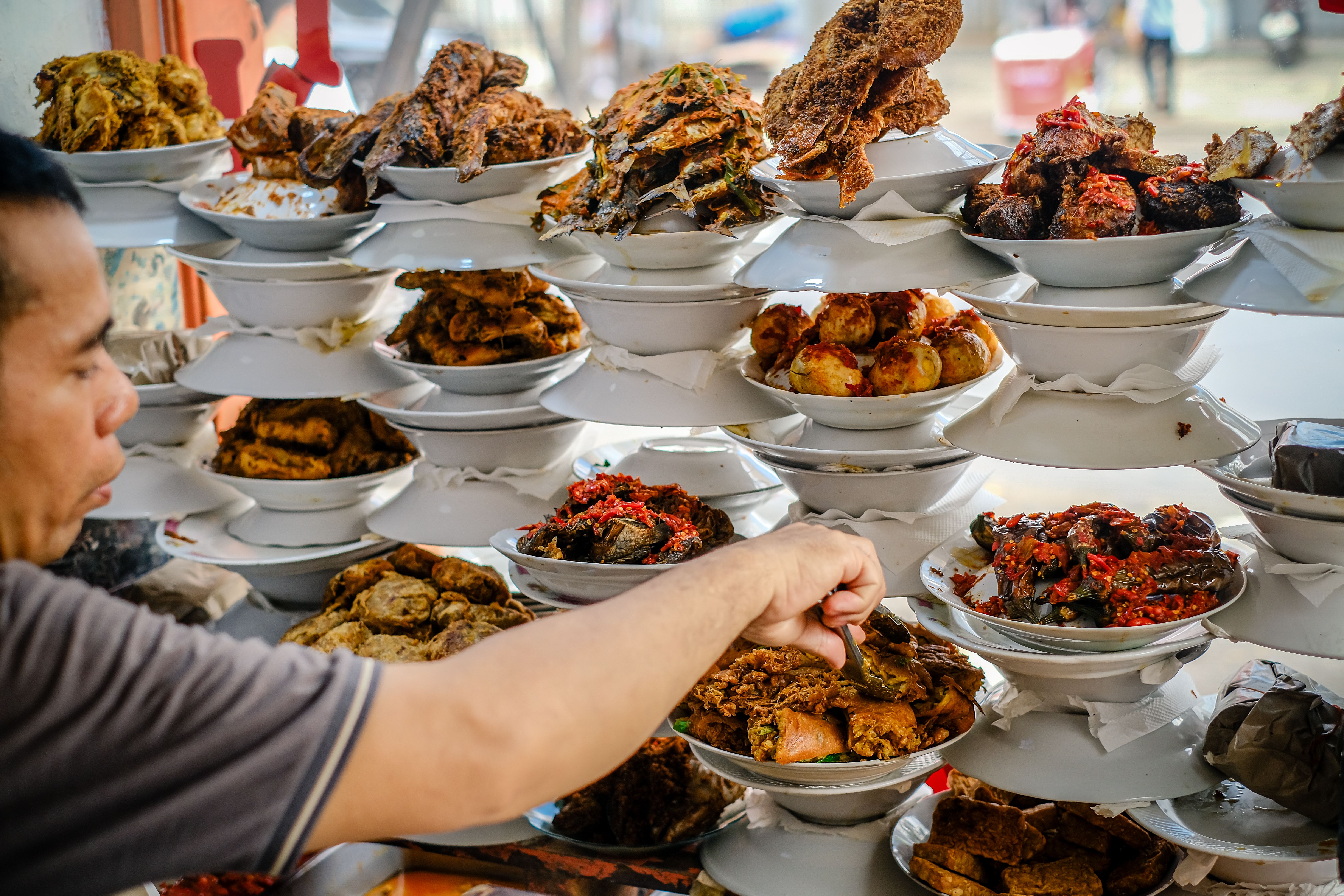
Many celebrated market halls now function primarily as places to eat rather than places to shop. The transformation followed a collapse in the trade they were built for.
They were built as infrastructure
Nineteenth-century covered markets were public works, built to move food off the street into a hygienic, regulated building with drainage, water and inspection.
Their scale was set by the population they supplied, and traders held stalls under municipal licence rather than as private property.
The architecture that now makes them attractive to visitors, with iron frames and high glazed roofs, was an engineering response to ventilation and light.
Supermarkets removed their customer base
Household shopping shifted to supermarkets and later to delivery, taking with it the daily volume that filled a market hall.
Wholesale trade moved separately to purpose-built facilities on the edge of cities where lorries could load without entering the centre.
Left with neither function, many halls emptied through the late twentieth century, and a number were demolished or left semi-derelict.
Reuse followed the footfall that remained
What these buildings still had was a central location, a striking interior and a stream of visitors walking past, which is a viable base for hospitality.
Converting stalls into food counters generated far more revenue per square metre than selling vegetables, so the shift happened trader by trader.
Municipal owners frequently encouraged it, because a full market pays rent and a derelict one costs money to maintain.
The trade-off is visible in the mix
A hall that has fully converted sells prepared food, wine and souvenirs, and residents shop elsewhere, so the building has become a restaurant with a historic roof.
Halls that retain a genuine produce function usually do so because they serve a dense residential neighbourhood or because tenancy rules protect the original traders.
Many sit between the two, with fresh trade in the morning and prepared food later, which is why the same hall feels different at different hours.
Visiting one usefully
Early morning is when the working part of a market operates, and it is also when produce traders are willing to talk about what they are selling.
The distinction between a trader selling their own production and a reseller is worth noticing, since only one of them can answer questions about origin.
Halls closed one day a week and around public holidays, and the day before a holiday is usually the busiest and least pleasant time to go.