
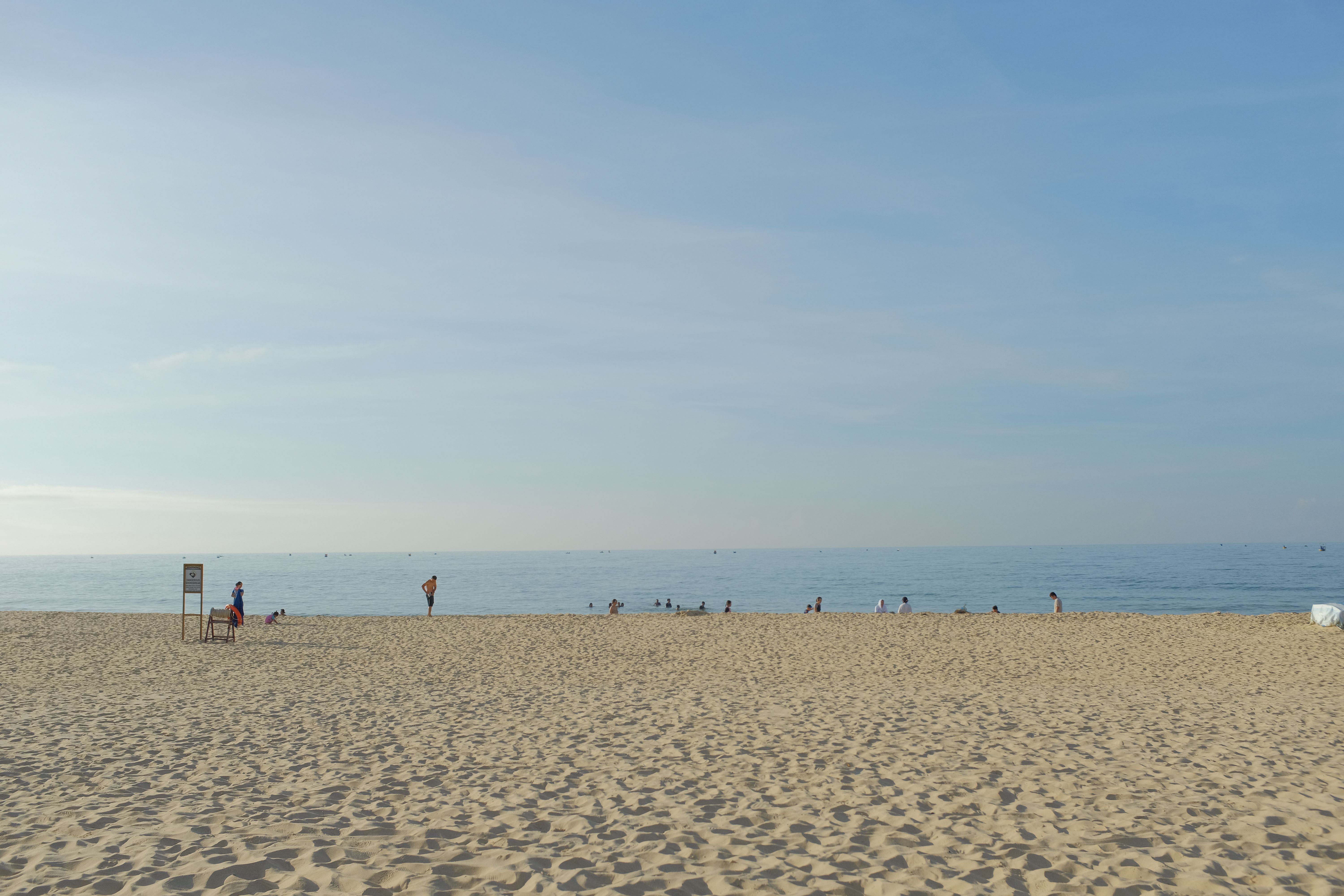
A beach can be legally open to everyone and still be difficult to reach, because the parking beside it is priced and permitted separately. The parking lot is where access is actually decided.
The beach and the parking are different things legally
In much of the country the wet sand or the area below a tidal line is held for public use, while the land behind it may be town owned, privately owned or a mix.
A municipality generally cannot close a public shoreline, but it can set the terms for the lots and streets that lead to it. That is where its authority is clearest.
Arrangements vary widely by state and are frequently litigated, so what applies on one stretch of coast may not apply a state line away.
A small town carries costs its population cannot cover
Summer visitors need restrooms, trash collection, police and rescue coverage, road maintenance and lifeguards, all sized for a peak population many times the year-round one.
Property taxes on a modest residential base do not fund that peak. Parking revenue is one of the few charges a town can levy directly on the visitors generating the cost.
Seasonal pricing follows the same logic — the fee is high when the burden is high and often disappears entirely in winter.
Resident permits ration a fixed supply
Space near a beach is physically limited and cannot be expanded without taking land that is expensive or environmentally constrained. Demand on a hot Saturday exceeds it regardless of price.
Permit systems that reserve some spaces for residents are a rationing device layered on top of the price. They also raise persistent questions about whether access is being restricted in practice.
Those questions have produced state-level rules in some places requiring that public parking be available on non-discriminatory terms, though the details differ and change.
Enforcement is where the real cost sits
Fees only work if unpaid parking is penalized, so towns invest in enforcement staff and, increasingly, plate-reading systems tied to app-based payment.
Citations issued to out-of-state vehicles are pursued through processes that can take months, which is one reason fines are set high relative to the fee.
What this means for planning a beach day
Arrival time matters more than price, because lots fill and then close regardless of what you are willing to pay. Mid-morning is often already too late in peak weeks.
Shuttle services, bicycle access and adjacent state or county lots frequently operate under different rules than the town lot, and they are the part of the system most visitors never check.