
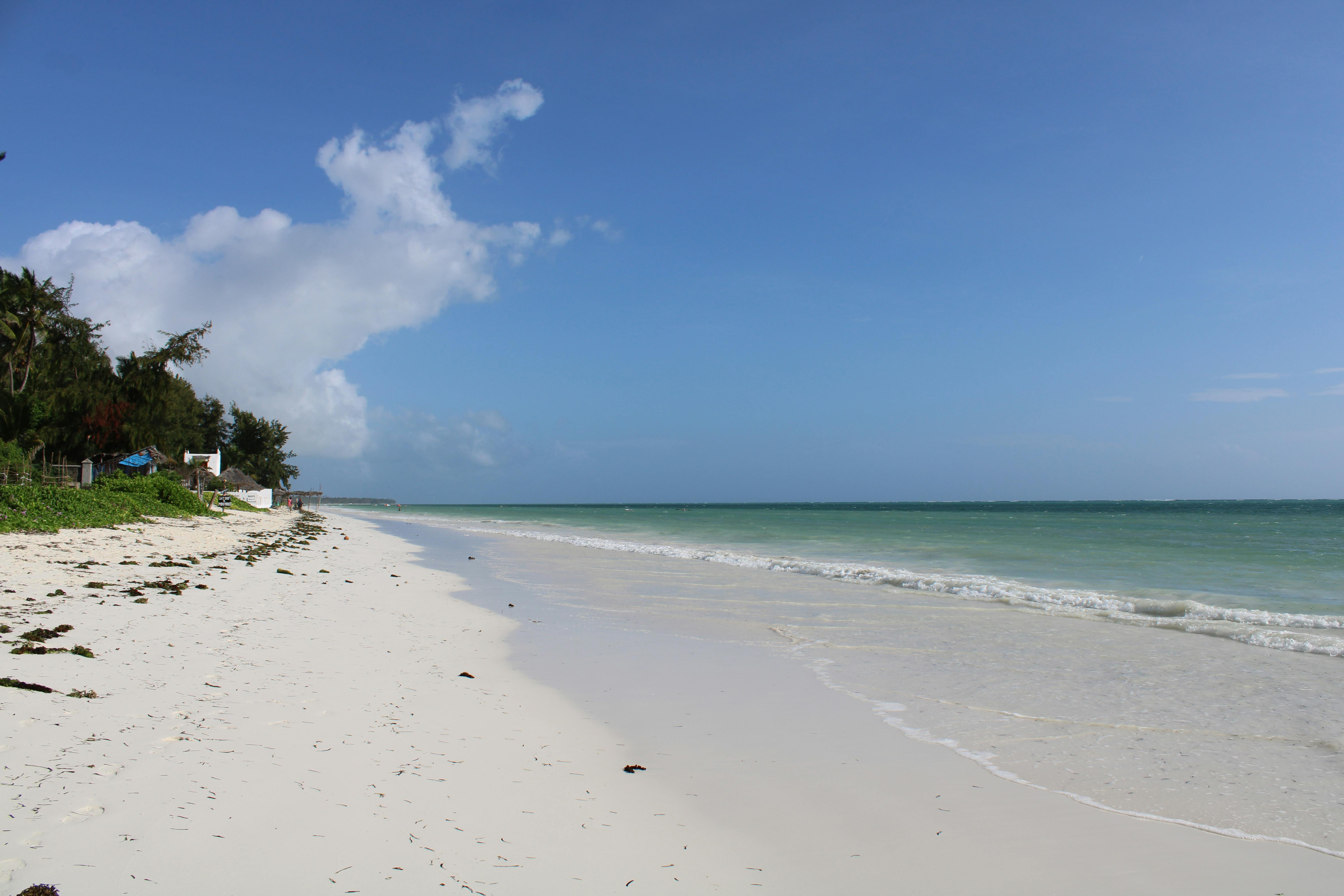
September can offer the best beach conditions of the year — warm water, thin crowds, settled weather. It is also when the towers empty, and the reason is budgetary rather than meteorological.
Ocean lifeguarding is a seasonal job by design
Most beach patrols are staffed heavily by students and teachers whose availability ends when school terms resume. The hiring calendar is built around that supply.
Training, certification and tryouts happen in spring so the roster is ready for summer. Once the season closes, that workforce disperses and cannot simply be recalled on a warm weekend.
A small year-round core often remains for rescue and administration, but it is nothing like the summer coverage.
Coverage is funded as a defined season
Beach patrols are typically funded by a town, county or park district through an annual budget that specifies a period of operation. Staffing outside that window requires money that was not appropriated.
Because visitor numbers fall sharply after the summer holidays, the cost per beachgoer of continued staffing rises steeply. Budget committees tend to draw the line where attendance drops.
Dates and arrangements differ by jurisdiction and are reviewed each year, so the local authority's posted schedule is the only accurate one.
The hazard does not fall with the staffing
Late season often brings distant storm swell, which produces larger surf and stronger rip currents on days that look calm from the parking lot.
Water temperature also lags air temperature, staying comparatively warm into autumn. That combination draws swimmers into conditions that are more energetic than they were in July.
Fewer people on the sand additionally means fewer bystanders to notice a swimmer in difficulty, which is a real part of how rescues begin.
Unguarded is a legal status, not just an absence
Many beaches post signs stating that swimming outside guarded hours is at the swimmer's own risk, and some prohibit it outright. Those postings carry different weight in different jurisdictions.
Flags, if any are still flown, may not be updated once the season ends. An empty flagpole is not a safety assessment.
How experienced off-season swimmers adjust
The practical adjustments are unglamorous: swim near other people, stay well within depth, check the surf forecast, and treat any visible channel of calm water between breakers as a rip rather than a swimming lane.
Local knowledge is worth more in September than in July. Surf shops, pier staff and regular walkers know which stretches of a beach develop persistent rips and when the sandbar last shifted.