
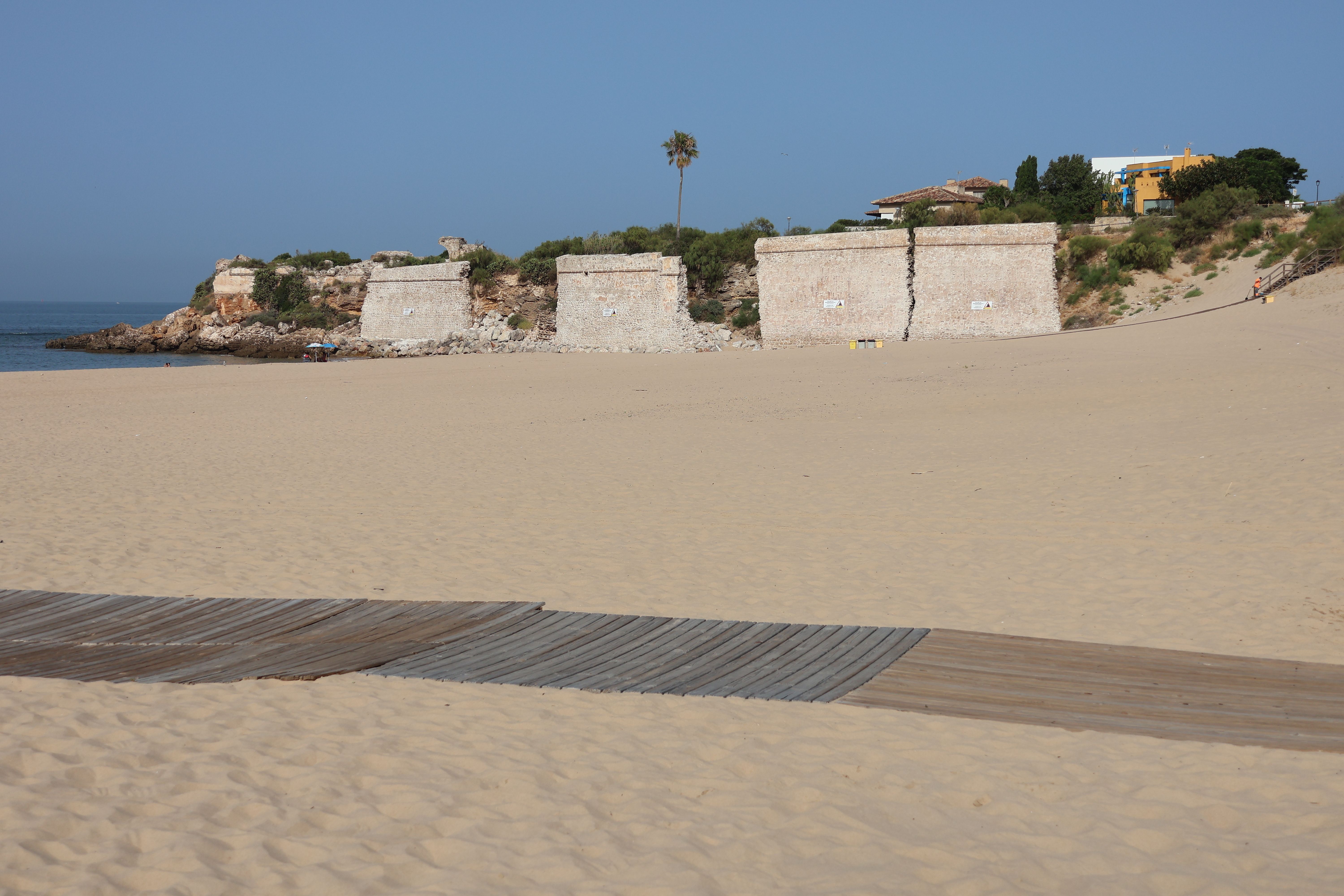
Beach sand ranges from near-white through gold and pink to deep black, and the colour is not decorative. It records what the grains are made of and how far they have travelled to get there.
Sand is ground-up local geology
Most sand is the durable residue left after rock is broken down by water, ice and weather, with the softer minerals lost first and the tough ones surviving.
Because rivers and waves move that material only so far, a beach usually reflects the rock of its own catchment rather than an ocean-wide average.
A coast backed by granite, a coast backed by basalt and a coast backed by limestone therefore produce three visibly different beaches.
Pale sand is mostly quartz
Quartz is exceptionally resistant to chemical and physical breakdown, so it accumulates while other minerals disappear. The longer the journey, the purer the quartz.
Beaches at the end of long river systems draining continental interiors are consequently the palest, sometimes almost blindingly white and squeaky underfoot.
Grain shape follows the same logic. Long transport rounds and sorts the grains, giving fine, even sand rather than a coarse mixture.
Black sand means young volcanic rock
Volcanic coasts supply dark, iron-rich minerals, and where lava meets water it shatters into fine fragments that go straight to the beach.
Those minerals are less durable than quartz, so black sand beaches tend to be close to their source and can change dramatically after an eruption or a large storm.
Dark grains absorb far more heat than pale ones, which is why a black beach can be uncomfortable to cross barefoot in the middle of the day.
White and pink beaches are biological
In reef regions the sand is not eroded rock at all but the broken skeletons of corals, shells and calcareous algae, ground down by waves and by grazing fish.
This carbonate sand is bright, cool underfoot relative to dark sand, and dissolves slightly in acidic water rather than persisting indefinitely.
Pink tints come from the shells of particular single-celled organisms mixed through the carbonate, concentrated where currents sort them onto specific stretches.
Colour changes seasonally on the same beach
Winter storms strip fine surface sand offshore and expose coarser material and cobbles, so a beach can look darker and rougher in one season than another.
Rivers in flood deliver pulses of sediment that temporarily tint an adjacent beach, and the effect fades as waves rework the deposit.
Beaches that have been artificially replenished often differ in colour from their original state, because the dredged material comes from a different source than the natural supply.