
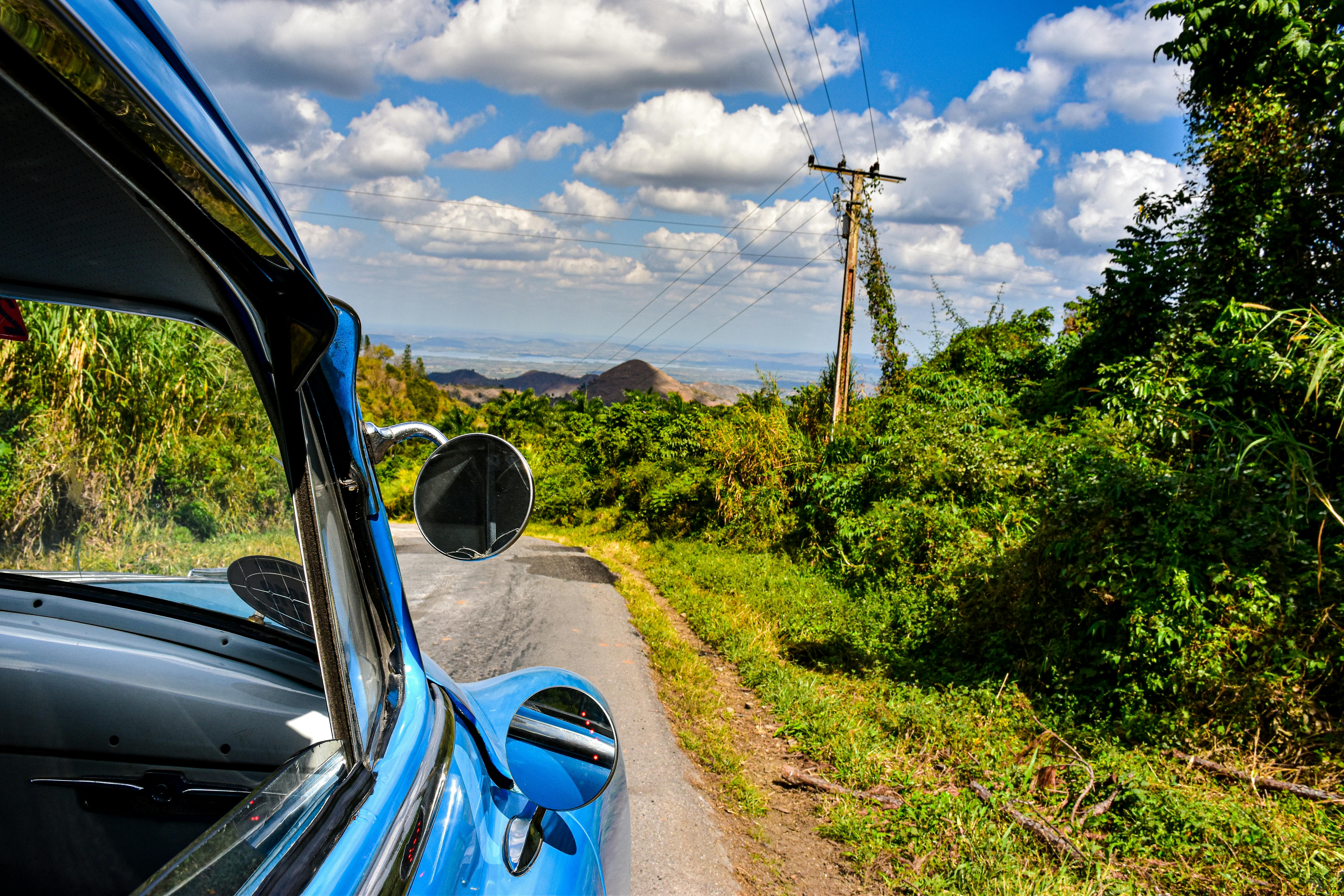
A scenic route that a mapping app estimates at three hours routinely takes six. The error is systematic and comes from how driving time is modelled against how these roads are actually used.
Posted speed is not achievable speed
Routing engines estimate travel time from speed limits and historical traffic data. On a winding coastal or mountain road, the limit describes the maximum rather than the norm.
Tight radius curves force deceleration and reacceleration continuously, and the average speed a driver holds through a sequence of them is well below the sign.
Elevation compounds this. Sustained climbs slow heavier vehicles, and descents with drop-offs are driven cautiously by almost everyone regardless of what is legally permitted.
The slowest vehicle sets the pace
Scenic roads are usually two lanes with rare passing opportunities, so a single motorhome or truck fixes the speed of everyone behind it for miles.
These same roads attract exactly the vehicles that struggle on them. Rental campers and towed trailers concentrate on the routes marketed as scenic.
Passing turnouts exist but are used inconsistently, and the queue reforms behind the next slow vehicle. The effect accumulates rather than resolving once.
Stopping is the point of the road
Nobody drives a scenic byway without stopping, yet the estimate assumes continuous motion. Every viewpoint adds parking, walking, looking and returning.
A stop that feels like five minutes is rarely under fifteen once the car is parked and everyone is back in it. Ten such stops is most of an afternoon.
Trailheads and overlooks also fill, so the stop includes waiting for a space or driving on and doubling back, which adds distance as well as time.
Services are sparse and slow
Fuel, food and restrooms appear infrequently along these routes, which means stops happen where they are available rather than when they are wanted.
The few establishments serving a busy byway operate at capacity through the season, so a meal takes longer than the same meal on a highway corridor.
Cell coverage is patchy, so navigation and bookings have to be handled where signal exists, adding another category of unplanned stop.
Building a realistic day
Doubling the app's estimate is a crude rule that works surprisingly well for these roads, and it prevents the compression that ruins the last third of a drive.
The practical failure mode is arriving at the best section at dusk, having spent the light on the ordinary part. Sequencing matters more than total distance.
Shorter scenic segments linked by fast highway usually deliver more than a full day on the byway, particularly with accommodation booked at a fixed point.